Community Resource Development Program
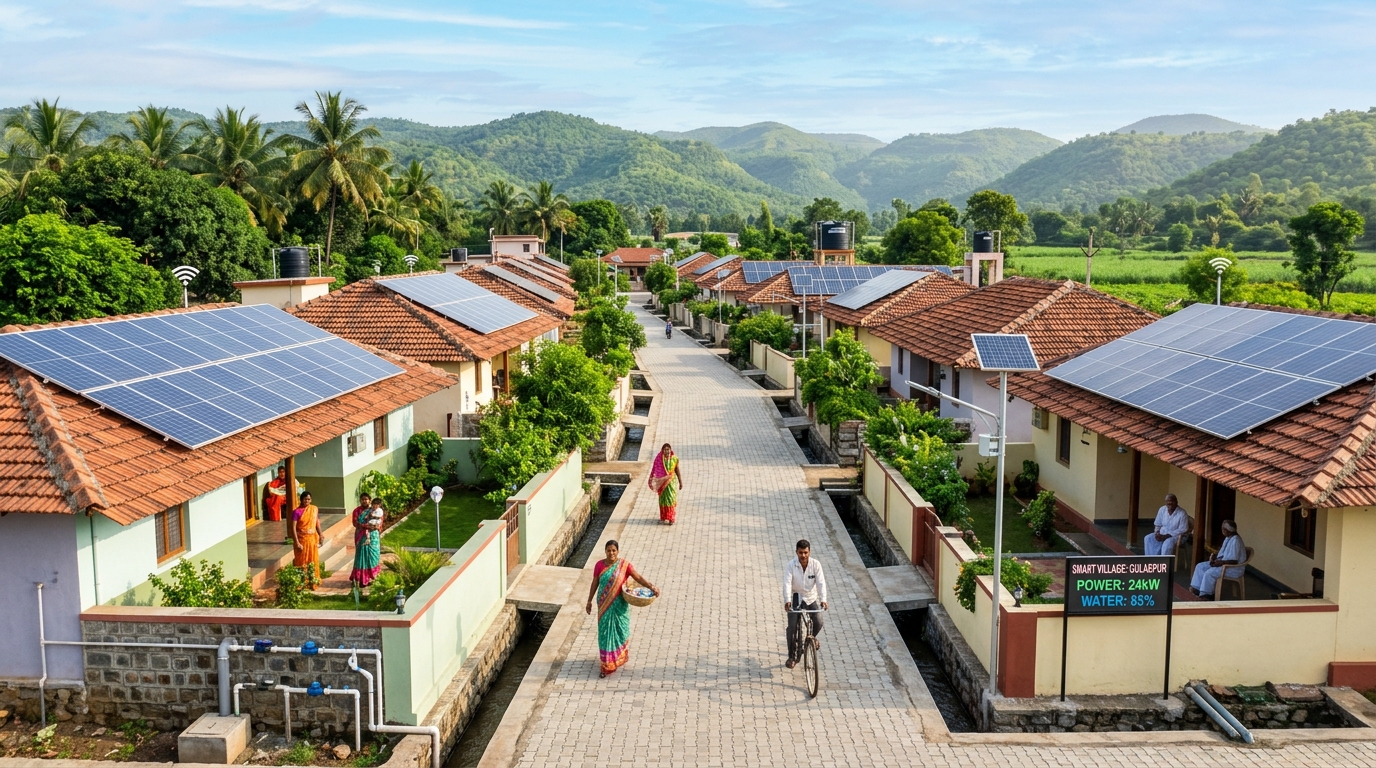
Integrated public spaces and utility management infrastructure
Executive Summary
Problem Statement
Public spaces in rural peripheral regions are often neglected or lack basic amenities due to poor community coordination and lack of funds.
Proposed Solution
Build eco-friendly public infrastructure managed directly by village committees using automated transparent logbooks.
Project Objectives
- check_circle Build solar-lit community halls
- check_circle Establish village management committees
- check_circle Implement local waste segregation bins
- check_circle Maintain clean public resources.
Technology Integration & Infrastructure
Energy-efficient lighting panels, solar battery configurations, waste management structures.
Implementation Methodology
1. Form community development committees with local representatives; 2. Identify resource priorities in village general bodies; 3. Execute construct pilots with solar backups; 4. Handover operations to local committees.
Expected Outcomes
Active community spaces, high user engagement in local decision-making, and cleaner, solar-lit public areas.
Impact & Measurable Results
Constructed 2 community study halls and installed waste collection points in 3 village clusters in Nagpur.
Frequently Asked Questions
How is infrastructure maintained?
Village committees collect nominal monthly maintenance contributions from households, managing the fund transparently via local logbooks.
Can other NGOs replicate this?
Yes. Our structural blueprints and operational rules are available for download for anyone working on rural development.